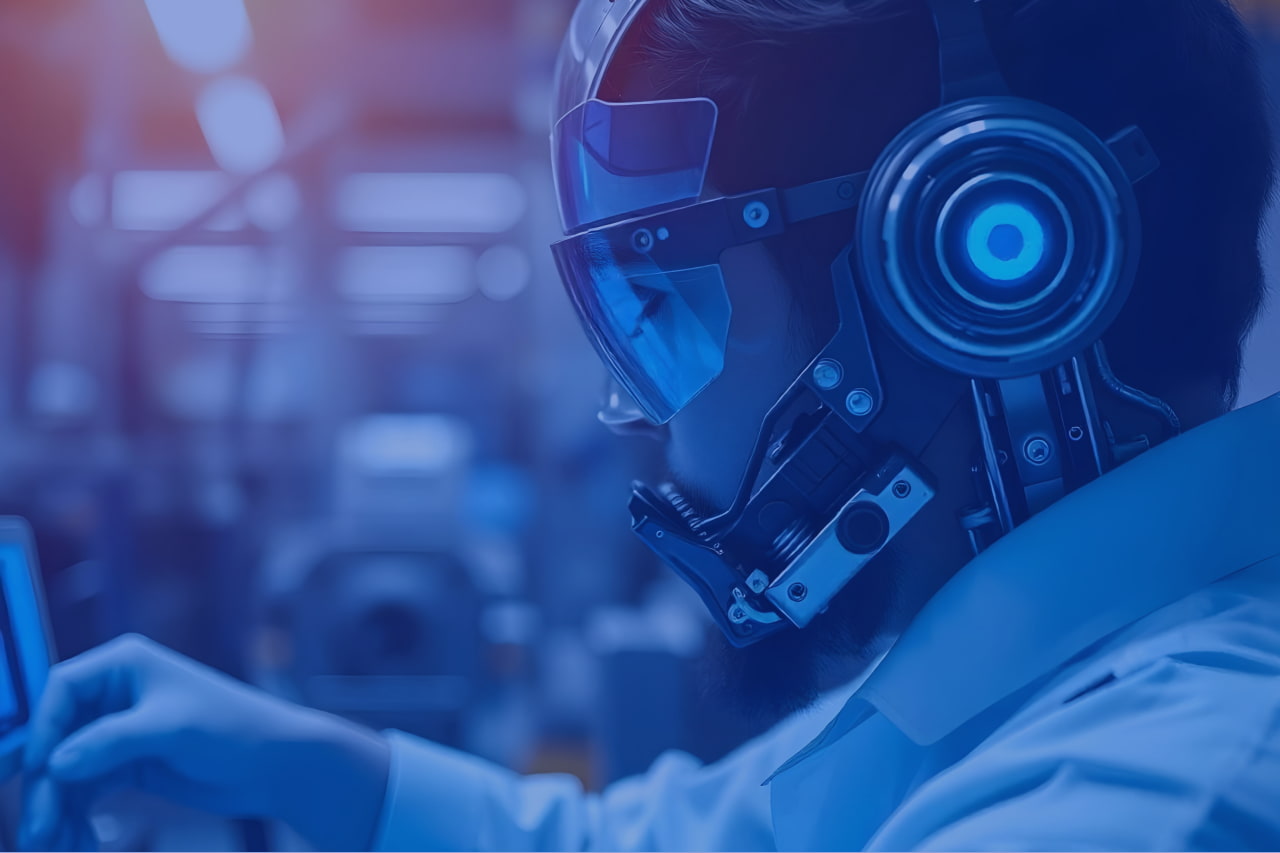
Artificial intelligence (AI) is radically transforming the manufacturing sector by automating processes, enhancing product quality, and predicting maintenance needs. AI models can be trained with data to predict equipment failures and optimize factory layouts, leading to unprecedented efficiency and productivity. This article delves into the key AI applications in manufacturing, including predictive maintenance, quality control, and process optimization, and explores how these innovations are driving down costs while boosting performance.
Key Takeaways
- AI-driven automation is revolutionizing manufacturing, reducing human error, and streamlining processes, leading to substantial cost reductions.
- Robotic process automation (RPA) automates repetitive tasks and improves data management in manufacturing. This helps address server issues and downtime, ultimately increasing efficiency and productivity.
- Predictive maintenance minimizes downtime and unexpected equipment failures by forecasting potential issues, saving manufacturers millions in repair costs.
- AI-powered quality control systems significantly improve product consistency, reducing defects and enhancing customer satisfaction.
- AI’s role in process optimization and supply chain management creates more efficient workflows, enhances resource utilization, and minimizes waste.
- The future of AI in manufacturing holds immense promise, with technologies like digital twins, generative AI, and machine learning poised to redefine industry standards.
Understanding AI in Manufacturing
AI’s integration into manufacturing goes far beyond traditional automation. Today, AI technologies are introducing cognitive capabilities that enable machines to learn, adapt, and optimize operations in real-time. These AI systems analyze massive datasets, predict future events, and react dynamically to factory floor conditions, resulting in more efficient, interconnected manufacturing environments. Deep learning models enable systems to learn from vast amounts of data without human intervention, enhancing AI’s capabilities in manufacturing.
The impact of AI on manufacturing is profound. Take the example of a typical assembly line where AI-powered robots continuously monitor for defects. If an issue is detected, the system can stop production, alert operators, and automatically adjust processes to prevent further defects. This real-time defect detection reduces the chance of flawed products reaching the customer, saving manufacturers both time and money. McKinsey & Company reports that AI-driven predictive maintenance can reduce machine downtime by up to 50%, significantly improving overall factory productivity.
Additionally, AI allows for better collaboration between humans and machines. Instead of replacing human workers, AI enhances their capabilities, taking on repetitive tasks and allowing employees to focus on problem-solving, supervision, and innovation. This shift creates a more efficient, safe, and collaborative environment where both machines and workers operate at their best.
Benefits of AI in Manufacturing
The integration of Artificial Intelligence (AI) in manufacturing brings a multitude of benefits that can significantly transform the industry. One of the primary advantages is the ability to optimize manufacturing processes. By analyzing data from various sources, AI systems can pinpoint inefficiencies and provide actionable recommendations for improvement. This leads to increased productivity, reduced waste, and lower operational costs.
Predictive maintenance is another significant benefit of AI in manufacturing. AI-powered systems can detect potential equipment failures before they occur, minimizing downtime and enhancing overall equipment effectiveness. This proactive approach not only reduces the need for costly repairs but also mitigates the impact of unexpected downtime, ensuring smoother operations.
AI also vastly improves quality control. By leveraging data from sensors and machines, AI systems can detect defects and anomalies in real-time, allowing for immediate corrective action. This results in higher product quality, reduced waste, and increased customer satisfaction.
Moreover, AI enhances supply chain management by analyzing data from various sources to optimize inventory levels, predict demand, and identify potential disruptions. This leads to more efficient supply chain operations, reduced costs, and better customer satisfaction. In essence, AI’s ability to analyze and act on manufacturing data is revolutionizing the industry, making processes more efficient and reliable.
Evolution of AI Technologies in the Manufacturing Sector
The evolution of AI in manufacturing is a decades-long journey that began in the 1970s with the advent of automation technologies. Initially, AI was employed for automating simple and repetitive tasks, but it has since evolved into a sophisticated tool that drives the entire production lifecycle.
AI’s role in manufacturing has expanded dramatically, particularly in the last decade. Companies are now leveraging advanced AI and machine learning algorithms to extract insights from the vast amounts of data generated by production lines, sensors, and IoT devices. These insights help optimize manufacturing processes, reduce waste, and improve product quality
Manufacturing engineers play a crucial role in integrating these AI technologies, relying on accurate data from sensors to make informed decisions about machinery operation and process improvement.
A notable example of AI’s evolution is the rise of digital twins, virtual representations of physical assets. By creating a digital replica of their factories, manufacturers can simulate different scenarios, optimize processes, and make data-driven decisions without disrupting actual operations. Digital twins allow manufacturers to experiment with new processes or designs, analyze potential outcomes, and identify inefficiencies, all in a virtual space. This technology is fast becoming an indispensable tool for companies looking to stay ahead in the competitive manufacturing landscape.
Current Applications of AI in Manufacturing Processes
AI is making an enormous impact across a wide range of manufacturing processes. Its deployment has been transformative, particularly in the areas of predictive maintenance, quality control, and process optimization. Here’s a closer look at how AI is being utilized today.
Predictive Maintenance
Predictive maintenance is one of the most impactful AI applications in the manufacturing sector. AI-driven systems continuously monitor the condition of machines using data from sensors and IoT devices. These systems use machine learning algorithms to detect patterns and predict when equipment is likely to fail, enabling manufacturers to perform maintenance before a breakdown occurs. This not only prevents costly unplanned downtimes but also extends the life of the equipment.
The benefits of predictive maintenance are well-documented. PwC research suggests that predictive maintenance can reduce maintenance costs by 12%, extend equipment life by 20%, and decrease downtime by as much as 50%. Leading manufacturers, including Siemens and General Electric, have already implemented AI-powered predictive maintenance platforms that help monitor thousands of machines and predict potential failures before they disrupt production.
For example, General Electric’s Predix platform leverages AI to monitor and maintain industrial assets across its global operations. The platform analyzes vast amounts of data collected from equipment sensors and identifies potential performance issues before they become critical. This approach has saved GE millions in maintenance costs while dramatically reducing downtime.
Quality Control Systems
AI-powered quality control systems are redefining how manufacturers ensure the consistency and quality of their products. Traditionally, quality control involved manual inspection processes that were time-consuming and prone to human error. In contrast, AI-driven systems use machine vision and data analytics to inspect products at a microscopic level, detecting flaws that human inspectors might miss.
Studies show that AI-based quality control systems can reduce defects by up to 30%, leading to significant improvements in product quality. Bosch, for example, uses AI-enhanced visual inspection systems to identify even the smallest imperfections in automotive parts. These AI systems, trained on thousands of product images, ensure that only flawless products move down the production line.
AI systems can also analyze data from sensors on production lines to monitor variables such as temperature, pressure, and material thickness. By doing so, they can ensure that products meet stringent industry standards while reducing the amount of rework and material waste. With such capabilities, manufacturers can improve operational efficiency by as much as 20% while enhancing overall product quality by 35%.
Process Optimization
AI plays a crucial role in optimizing manufacturing processes by analyzing vast amounts of production data to identify inefficiencies, bottlenecks, and waste. AI-driven process optimization helps manufacturers streamline workflows, improve resource allocation, and reduce production costs.
For instance, Fanuc, a leader in automation technologies, uses AI to optimize its robotic production lines. AI systems at Fanuc analyze real-time data to adjust the speed and movement of robotic arms, ensuring optimal performance and minimizing waste. This not only improves energy efficiency but also enhances the overall productivity of the production line.
Process optimization through AI also allows manufacturers to respond quickly to changes in market demand. By leveraging real-time data and AI algorithms, companies can dynamically adjust production schedules, ensuring they meet demand without overproducing or creating excess inventory. This level of agility is crucial in today’s fast-paced manufacturing environment, where consumer preferences and market conditions can shift rapidly.
Enhancing Supply Chain Management with AI
AI’s impact extends beyond the factory floor and into the supply chain, where it plays a pivotal role in enhancing logistics, inventory management, and demand forecasting. AI systems use machine learning algorithms to analyze real-time data from multiple sources, allowing manufacturers to better predict demand, optimize inventory levels, and reduce the risk of supply chain disruptions.
AI-driven demand forecasting can improve supply chain accuracy by 30%, leading to cost reductions of 10-15% in logistics and inventory management. By analyzing data from historical sales, market trends, and external factors like weather patterns, AI systems can predict future demand with remarkable precision.
AI is also revolutionizing logistics by optimizing delivery routes, reducing transportation costs, and improving warehouse operations. For example, companies like Amazon and Procter & Gamble use AI-powered systems to optimize their supply chains, from managing inventory to predicting customer demand. These systems enable faster, more accurate shipments, ensuring that customer orders are fulfilled efficiently and cost-effectively.
In addition, AI-powered simulations—such as digital twins of supply chain operations—allow manufacturers to experiment with different scenarios without disrupting real-world logistics. These simulations help identify potential risks and improve supply chain resilience by testing how various factors, such as demand spikes or transportation delays, would impact operations.
Factory Planning and Layout Optimization
Factory planning and layout optimization are critical components of efficient manufacturing operations. AI plays a pivotal role by analyzing data from production schedules, inventory levels, and equipment utilization to design the most efficient factory layouts.
AI-powered systems can help manufacturers identify the optimal layout for their factories, considering factors such as production volume, equipment capacity, and material flow. This leads to improved productivity, reduced waste, and lower operational costs. For instance, AI can suggest rearrangements that minimize the distance materials travel, thereby speeding up production and reducing handling costs.
In real-time, AI can also adapt factory layouts to respond to changes in production schedules, inventory levels, and equipment utilization. This flexibility reduces downtime and enhances the factory’s ability to meet customer demands promptly. Additionally, AI can identify potential bottlenecks in the factory layout and provide recommendations for improvement, further boosting productivity and reducing waste.
By leveraging AI for factory planning and layout optimization, manufacturers can create more efficient, adaptable, and cost-effective production environments, ultimately leading to better overall performance.
The Role of Machine Learning in Manufacturing
Machine learning (ML), a core component of AI, is revolutionizing manufacturing by enabling machines to analyze large datasets, recognize patterns, and make decisions without human intervention. ML is being used to optimize everything from production planning to energy consumption.
For example, Google uses machine learning to reduce energy costs at its data centers, achieving a 40% reduction in cooling energy. While data centers and manufacturing facilities differ, the principles of optimizing energy consumption apply to both. In manufacturing, AI-driven energy management systems analyze energy use and adjust processes to reduce power consumption, saving manufacturers significant costs in energy.
Another application of machine learning in manufacturing is the use of digital twins, which create virtual replicas of physical assets or production lines. These digital twins allow manufacturers to simulate processes, test new product designs, and optimize operations without physically altering the production environment. This technology is particularly valuable in industries such as aerospace and automotive, where product design and testing can be both costly and time-consuming.
Implementing AI in Manufacturing
Implementing AI in manufacturing requires a strategic and methodical approach. The first step is to identify specific areas within the manufacturing process that can benefit from AI, such as quality control, predictive maintenance, or supply chain management.
Once these areas are identified, the next step is to collect and analyze data from various sources, including sensors, machines, and production schedules. This data is crucial for training machine learning algorithms and predictive models, which can then identify patterns, predict outcomes, and provide actionable recommendations.
It’s also essential to ensure that AI implementation adheres to industry regulations and safety protocols. This includes designing AI systems with safety in mind and training employees to work effectively alongside these systems. Employee training is vital to maximize the benefits of AI and minimize potential risks. Training programs should cover AI technologies, data analysis, and machine learning to equip employees with the necessary skills.
Continuous monitoring of AI systems is also crucial. Manufacturers should track key performance indicators such as productivity, quality, and customer satisfaction, using this data to refine AI systems and improve overall manufacturing operations. By taking a strategic approach to AI implementation, manufacturers can harness the full potential of AI technologies to enhance efficiency, reduce costs, and drive innovation in their operations.
Future Trends in AI for Manufacturing
The future of AI in manufacturing is full of potential. The global AI in manufacturing market is projected to grow from $3.2 billion in 2023 to $20.8 billion by 2028, with a compound annual growth rate (CAGR) of over 45%. This growth will be driven by advancements in areas like generative AI, digital twins, and machine learning.
Generative AI, in particular, has the potential to revolutionize product design by generating multiple design options based on specific parameters. This allows manufacturers to explore a broader range of possibilities, innovate more effectively, and bring new products to market faster.
Meanwhile, digital twins will play an increasingly critical role in predictive maintenance, process optimization, and supply chain management. As these technologies evolve, manufacturers will be able to simulate entire production environments, anticipate problems, and optimize their operations with unprecedented accuracy.
Overcoming Challenges in AI Adoption
While AI offers enormous benefits, its adoption in manufacturing is not without challenges. Data quality issues, a shortage of skilled AI professionals, and the high costs of implementing AI solutions can hinder progress. Moreover, employees’ resistance to job displacement can slow down the adoption process.
To overcome these challenges, manufacturers can gradually implement AI solutions, beginning with pilot projects demonstrating clear value. This phased approach allows companies to test AI capabilities, measure ROI, and scale up initiatives with less risk. In addition, providing training programs for employees can help bridge the skills gap and ensure that workers are equipped to thrive in AI-enhanced environments.
Furthermore, collaboration with AI service providers, research institutions, and governments can help address broader industry challenges. Investment in AI education and training programs is crucial for building the skilled workforce required to support widespread AI adoption in the manufacturing sector.
Conclusion
Artificial intelligence profoundly transforms the manufacturing industry, from reducing downtime through predictive maintenance to improving product quality via AI-powered inspections. As AI evolves, it will unlock new opportunities for manufacturers to increase productivity, reduce costs, and optimize processes. By embracing AI, manufacturers can position themselves for long-term success in a rapidly changing industry landscape.
Is your manufacturing business ready to harness the power of AI to enhance efficiency, reduce costs, and drive innovation? At 8allocate, we specialize in delivering tailored AI solutions designed to meet manufacturers’ specific needs. Contact us today to learn how we can help you implement cutting-edge AI technologies and stay ahead in the competitive manufacturing landscape.

Frequently Asked Questions
Quick Guide to Common Questions
How is AI transforming the manufacturing industry?
AI enhances efficiency and productivity in manufacturing by automating processes, optimizing supply chains, reducing downtime, and improving quality control. AI-driven predictive maintenance helps prevent equipment failures, while machine learning enables better decision-making by analyzing vast datasets in real-time.
What are the key benefits of AI in manufacturing?
AI optimizes production workflows, improves product quality, and minimizes operational costs. Predictive maintenance reduces machine downtime by up to 50%, AI-powered quality control systems identify defects with higher precision, and AI-driven process optimization enhances resource utilization and minimizes waste.
What is predictive maintenance, and how does AI improve it?
Predictive maintenance uses AI to analyze data from sensors and IoT devices to predict when machines may fail. This allows manufacturers to schedule maintenance before a breakdown occurs, reducing unexpected downtime and repair costs. AI-driven predictive maintenance can lower maintenance expenses by 12% and extend equipment lifespan by 20%.
How does AI improve quality control in manufacturing?
AI-powered quality control systems use machine vision and deep learning algorithms to detect defects with higher accuracy than human inspectors. These systems analyze sensor data in real time, ensuring that only high-quality products reach customers, reducing waste, and improving consistency.
What role does AI play in process optimization?
AI-driven process optimization analyzes real-time production data to identify inefficiencies, bottlenecks, and areas for improvement. AI enables manufacturers to adjust workflows dynamically, optimize production schedules, and reduce waste, ultimately leading to increased productivity and lower costs.
How is AI revolutionizing supply chain management in manufacturing?
AI enhances supply chain efficiency by predicting demand, optimizing inventory management, and reducing logistics costs. AI-powered demand forecasting improves accuracy by 30%, helping manufacturers align production with market demand while reducing excess inventory. AI also enhances route optimization and warehouse automation.
What is the significance of AI-driven factory planning and layout optimization?
AI helps manufacturers design optimal factory layouts by analyzing production flow, equipment placement, and material movement. AI-driven layout optimization reduces production bottlenecks, minimizes material handling time, and improves overall factory efficiency. AI can also adapt layouts dynamically in response to operational changes.
How does machine learning contribute to AI applications in manufacturing?
Machine learning enables AI systems to continuously learn from production data, improving predictions, automation, and decision-making. ML is used in energy optimization, predictive maintenance, quality assurance, and process control, allowing manufacturers to refine operations without human intervention.
What challenges do manufacturers face when implementing AI?
Key challenges include data quality issues, high implementation costs, lack of skilled AI professionals, and employee resistance to automation. Additionally, integrating AI with legacy systems can be complex. Manufacturers must adopt a strategic, phased approach to AI adoption and invest in workforce training.